Hawaii enjoys warm temperatures year-round, making it a fantastic destination no matter when you visit. However, understanding the seasonal weather patterns, microclimates, and what to expect during the rainy season can help you plan the perfect trip. Here's your complete month-by-month guide to Hawaii's weather.
Hawaii's Two Seasons
Unlike the mainland, Hawaii essentially has two seasons. The dry season runs from April through October, with warm temperatures, less rainfall, and calmer ocean conditions. The wet season spans from November through March, bringing more frequent rain showers, larger surf on the north-facing shores, and occasional storms. Average temperatures hover between 75°F and 85°F year-round, so even during the wet season, you'll enjoy warm tropical weather.
April Through June: The Sweet Spot
Spring in Hawaii is widely considered one of the best times to visit. The winter crowds have thinned, hotel prices often drop, and the weather transitions into the dry season. Ocean conditions become calmer, making it ideal for snorkeling and swimming. Whale season wraps up in April, so early spring visitors may still catch the tail end of humpback whale migrations. May and June offer long sunny days and comfortable humidity levels.
July Through September: Peak Summer
Summer is the busiest and most expensive time to visit Hawaii, particularly in July and August when mainland families are on vacation. The weather is consistently warm and dry with abundant sunshine. Ocean conditions on the south shores pick up with summer swells, creating better surf on Waikiki and other south-facing beaches. If you visit during this period, book accommodations and activities well in advance.
October Through November: The Shoulder Season
October is a hidden gem for Hawaii travel. The summer crowds have departed, prices are lower, and the weather remains mostly dry through mid-November. Late November marks the transition into the wet season, but experienced travelers know that the beginning of this transition often means only brief afternoon showers that clear quickly.
December Through March: Rainy Season
The wet season brings more frequent rain, bigger North Shore surf, and the arrival of humpback whales. December through February is also peak tourism season due to holiday travel, so expect higher prices and bigger crowds despite the increased rainfall.
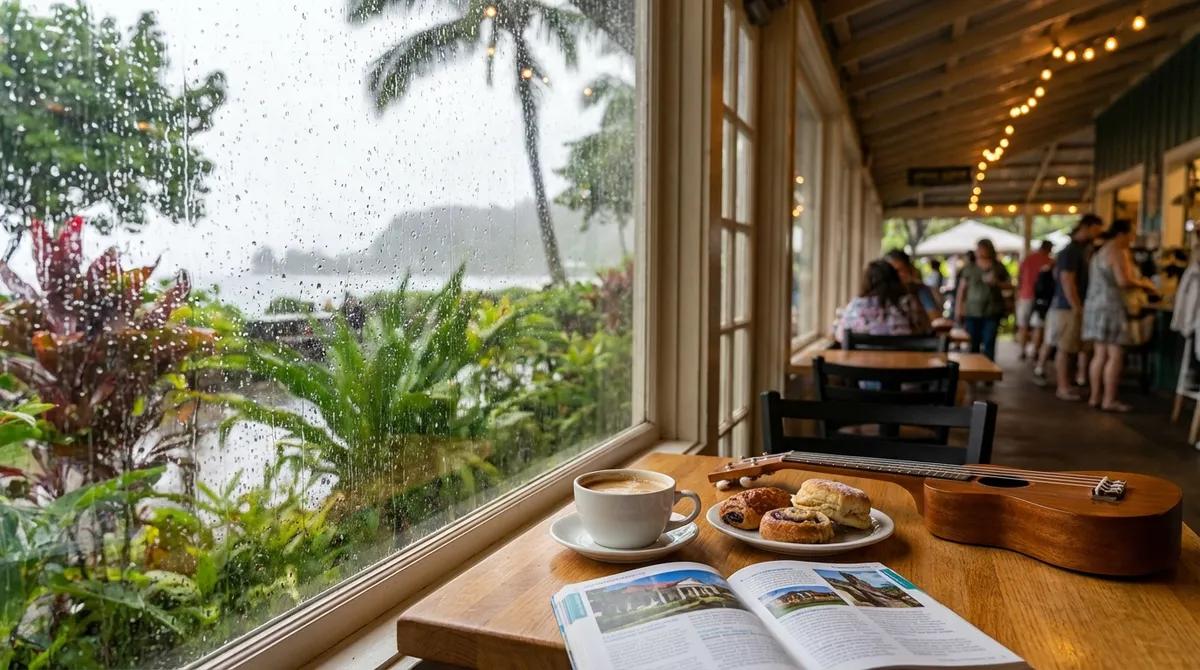
Rain in Hawaii is typically not the all-day downpour you might experience on the mainland. Showers are often brief, localized, and followed by sunshine and rainbows. Experienced travelers and locals strongly advise against canceling trips due to rainy season weather. Rain in Hawaii usually means you adjust your plans for a few hours, not days. Bring a light rain jacket and a small umbrella, and you'll be perfectly prepared.
Understanding Microclimates
One of the most fascinating aspects of Hawaiian weather is microclimates. Each island has distinct weather zones, often within just a few miles of each other. On the Big Island, the Kona coast on the west side is famously dry and sunny, even when the weather forecast shows rain for the island. The Hilo side on the east is one of the wettest places in the United States.
The same principle applies across all the islands. Windward (east-facing) coasts receive more rainfall, while leeward (west-facing) coasts tend to be drier and sunnier. If your beach day gets rained out on one side of the island, you can often drive 30 minutes to the other side and find clear skies.
What Happens After a Storm
If a larger storm passes through during your visit, here's what to expect:
Ocean conditions can remain rough for 48 to 72 hours after a storm
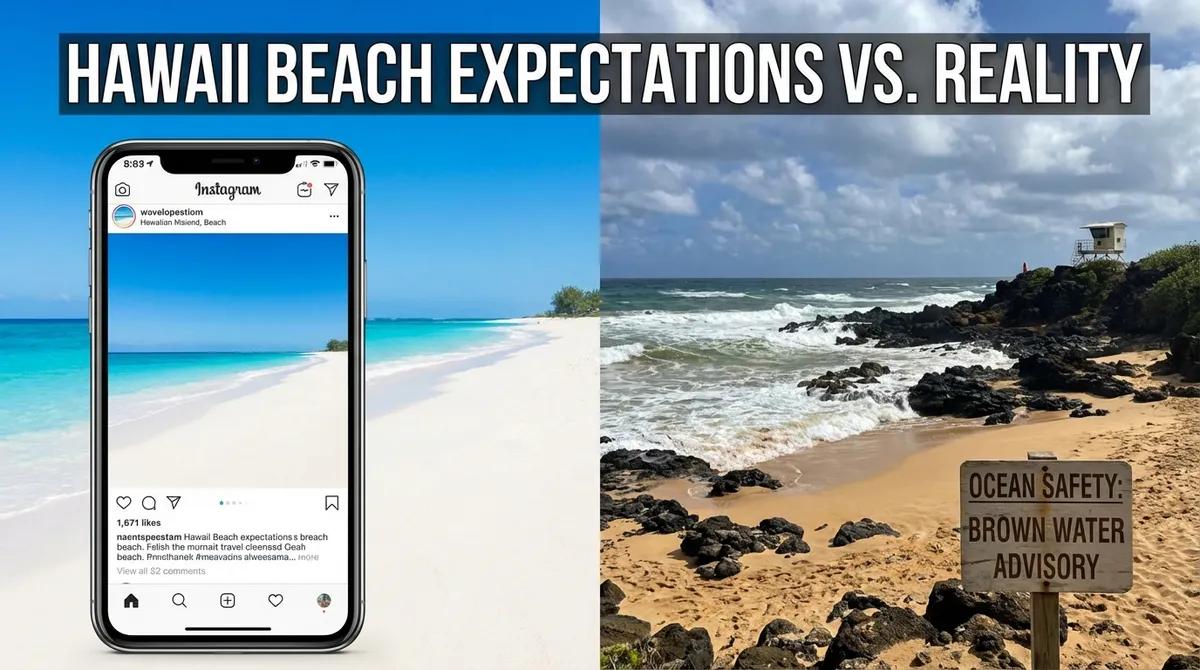
Brown water advisories will be issued for coastal areas affected by runoff
Hiking trails, particularly in valleys and near waterfalls, may be temporarily closed due to landslide risk
Tour operators may cancel ocean activities until conditions improve
The good news is that Hawaii recovers quickly from storms, and most disruptions are short-lived.
The Bottom Line
There is no bad time to visit Hawaii. Every season offers something special, from whale watching in winter to perfect beach days in summer. The best time for your trip depends on your priorities: budget travelers should consider April through May or September through October, beach lovers will enjoy the calm summer waters, and nature enthusiasts might prefer the dramatic winter surf and whale season. Whatever time you choose, come prepared to embrace the weather as part of the adventure.
Once you've picked the month, pick the island: which Hawaiian island should you visit.