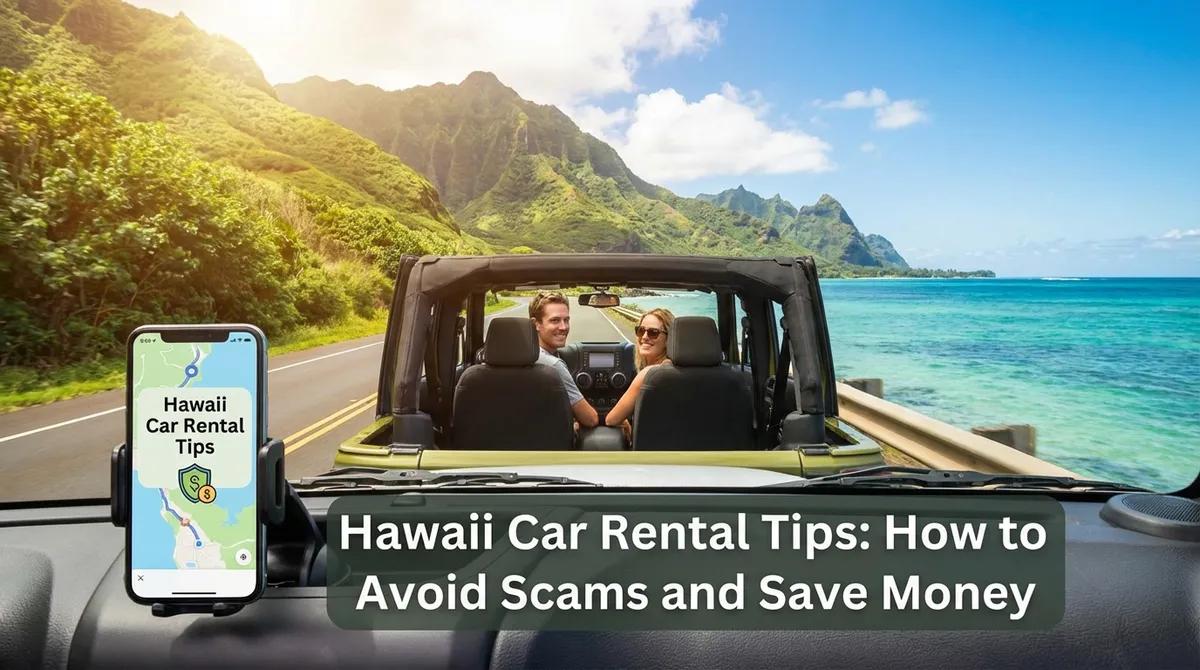
Why Car Rental in Hawaii Is Different
Renting a car in Hawaii isn't quite like renting on the mainland. Island demand is high, supply is limited, and prices can fluctuate wildly based on season, timing, and which island you're visiting. During peak travel months, rental cars in Hawaii regularly cost $100–$200+ per day — sometimes more than your hotel.
On top of the pricing, travelers frequently report being overcharged for damage they didn't cause, pressured into expensive insurance they don't need, or stuck without a car after booking through unreliable third-party sites. This guide will help you navigate the Hawaii car rental landscape and avoid the most common pitfalls.
Do You Actually Need a Rental Car?
Before spending money on a rental, consider whether you truly need one. The answer depends on which island you're visiting and your travel style.
Oahu
Oahu is the only island where you might not need a car. Waikiki has excellent walkability, and TheBus system covers most of the island for just $3 per ride. However, if you want to explore the North Shore, Kailua, or the windward coast on your own schedule, a car for a few days makes a big difference.
Maui, Big Island & Kauai
On all the neighbor islands, a rental car is essentially required. Public transportation is minimal or nonexistent for tourists, rideshare availability is spotty, and the best attractions are spread across the island. Budget for a rental car as a necessary expense on these islands.
How to Get the Best Rental Car Prices
Book early, then rebook if prices drop — Most rental reservations are fully refundable; lock in a rate early and check back regularly for lower prices
Compare across platforms — Check Costco Travel, Autoslash, Discover Cars, and direct rental company websites; prices vary significantly between platforms
Avoid airport premium when possible — Airport locations charge surcharges and fees; some off-airport locations (with free shuttles) can save 20-30%
Book weekly rates — A 7-day rental often costs less than a 5-day rental due to weekly pricing tiers
Consider mid-week pickup — Rates are often lower for Tuesday or Wednesday pickups versus weekend starts
Join loyalty programs — Free programs from Hertz Gold, National Emerald Club, and others can unlock better rates and faster service
The Insurance Question: What You Actually Need
Rental car insurance is one of the most confusing parts of renting in Hawaii. The agents at the counter will push hard to sell you their coverage, but here's what you need to know:
Your Existing Coverage Options
Your personal auto insurance — Many policies extend coverage to rental cars; call your insurer before your trip to confirm what's covered in Hawaii specifically
Credit card rental coverage — Many premium credit cards (Chase Sapphire, Amex Platinum, etc.) include rental car damage protection; verify it applies in Hawaii and understand the claim process
Travel insurance — Some comprehensive travel insurance policies include rental car coverage as an add-on
When to Buy the Rental Company's Insurance
If you don't have personal auto insurance — Visitors from countries without compatible coverage should consider purchasing it
If you want zero-hassle protection — The rental company's CDW/LDW (Collision/Loss Damage Waiver) means you walk away from any damage with no out-of-pocket cost and no claims process
If driving unpaved or restricted roads — Personal insurance and credit card coverage often exclude off-road damage
Common Scams and How to Avoid Them
Hawaii's car rental market has some well-known issues that catch tourists off guard. Here's what to watch for:
The Pre-Existing Damage Charge
This is the most frequently reported complaint. You return the car and get charged for scratches or dents that were already there when you picked it up.
How to protect yourself: Take detailed photos and video of the entire car — every panel, bumper, wheel, and the roof — before you drive away. Include a timestamp and make sure images are clear. Do the same when you return it. This documentation is your best defense against false damage claims.
Unnecessary Upgrade Pressure
Counter agents are trained to upsell. They may claim your reserved car "isn't available" and offer an upgrade at a higher daily rate.
How to handle it: Insist on your reserved vehicle class or ask for a complimentary upgrade if your car truly isn't available. Rental companies are obligated to provide the class you booked or better at no extra charge.
Fuel Rip-Offs
Prepaid fuel options almost always cost more than filling up yourself. And returning the car without a full tank at non-prepaid rates means paying $8–$12 per gallon in penalty pricing.
Best strategy: Decline prepaid fuel and fill up at a gas station near the airport before returning. Gas stations within a mile of most Hawaii airports are easy to find.
Turo and Alternative Rental Options
Turo (peer-to-peer car rental) has become increasingly popular in Hawaii and can offer significant savings, especially during peak season when traditional rental prices spike.
Pros — Often cheaper than traditional rentals, wider vehicle selection (Jeeps, convertibles, trucks), more flexible pickup/return locations
Cons — Pickup logistics can be less convenient, vehicle quality varies by owner, insurance options are different from traditional rentals
Tips for Turo in Hawaii — Book hosts with many 5-star reviews, confirm airport pickup logistics in advance, and purchase Turo's protection plan if your personal insurance doesn't cover peer-to-peer rentals
Island Driving Tips for Visitors
Hawaii driving has some quirks that mainland drivers aren't used to:
Speed limits are low — Most highways max out at 55 mph; residential areas are 25 mph and strictly enforced
Don't honk — Honking is considered extremely rude in Hawaii except for genuine emergencies
The "shaka wave" — When someone lets you merge or pass, give a shaka (hang loose hand sign) as a thank-you
One-lane bridges — Common on Maui (Road to Hana) and Kauai; yield to oncoming traffic that entered first
Never leave valuables visible — Car break-ins at trailheads and beaches are common; take everything with you or lock it in the trunk before arriving
Watch for chickens — Especially on Kauai, where wild chickens roam freely and regularly cross roads
Red dirt stains — Kauai and parts of the Big Island have red volcanic soil that permanently stains car interiors; keep the windows up on dirt roads
Rent Smart and Drive Aloha
A rental car opens up the best of Hawaii — hidden beaches, scenic lookouts, local restaurants, and adventures that tour buses can't reach. By booking smart, understanding your insurance options, and protecting yourself from common scams, you can enjoy the freedom of the open road without the financial headaches. Book early, document everything, and drive with aloha.
Moving rather than visiting? The social reset is harder than the car, read dating after moving to Hawaii.