What Is a Brown Water Advisory?
If you've ever checked beach conditions in Hawaii after a heavy rainstorm, you may have seen the term brown water advisory. It's one of the most common — and most confusing — safety alerts that visitors encounter, especially during the rainy season from November through March.
A brown water advisory is issued when heavy rainfall washes dirt, sediment, and potentially harmful bacteria from the land into nearshore ocean waters. The ocean near stream outlets, river mouths, and storm drains turns a murky brown color, signaling that the water may contain elevated levels of bacteria, pesticide runoff, and other contaminants that pose health risks to swimmers.
Why Brown Water Is Dangerous
The discolored water isn't just unappealing to look at — it can genuinely make you sick. Here's what runoff carries into the ocean after storms:
Bacteria (including E. coli and enterococci) — These can cause skin infections, ear infections, gastrointestinal illness, and eye irritation
Agricultural and urban runoff — Fertilizers, pesticides, motor oil, and other chemicals wash off roads and farms into waterways
Sediment and debris — Reduced visibility makes it harder to see underwater hazards and marine life
Sewage overflow — Heavy rain can overwhelm wastewater systems, causing raw or partially treated sewage to enter the ocean
Even if the water looks only slightly discolored, the bacteria levels can be hundreds of times above safe swimming limits. The risk is highest near stream mouths, harbors, and areas where you can see runoff entering the ocean.
How Long Should You Wait to Swim?
The standard recommendation from the Hawaii Department of Health is to stay out of the ocean for 48 to 72 hours after heavy rainfall. However, the actual safe waiting period depends on several factors:
How heavy the rain was — A brief shower may clear within 24 hours; a multi-day storm could require 3+ days
Your location on the island — Beaches near stream outlets take longer to clear than open-coast beaches far from runoff sources
Ocean currents and swell — Strong currents and larger swells help flush contaminated water more quickly
The specific beach — Some beaches (like Ala Moana and Waikiki) have more urban runoff exposure than remote beaches
General Timeline After Heavy Rain
0–24 hours — Avoid all ocean activities near affected areas; bacteria levels are at their highest
24–48 hours — Water may start to clear visually but bacteria can still be elevated; avoid swimming if water still looks discolored
48–72 hours — Most beaches return to safe levels if rain has stopped; visually check the water before entering
72+ hours — Generally safe to swim at most beaches, but always check official advisories
How to Check Beach Safety Conditions
Before heading to the beach after rain, use these resources to check current conditions:
Hawaii Department of Health Clean Water Branch — Their website publishes current beach water quality test results and active advisories for every island
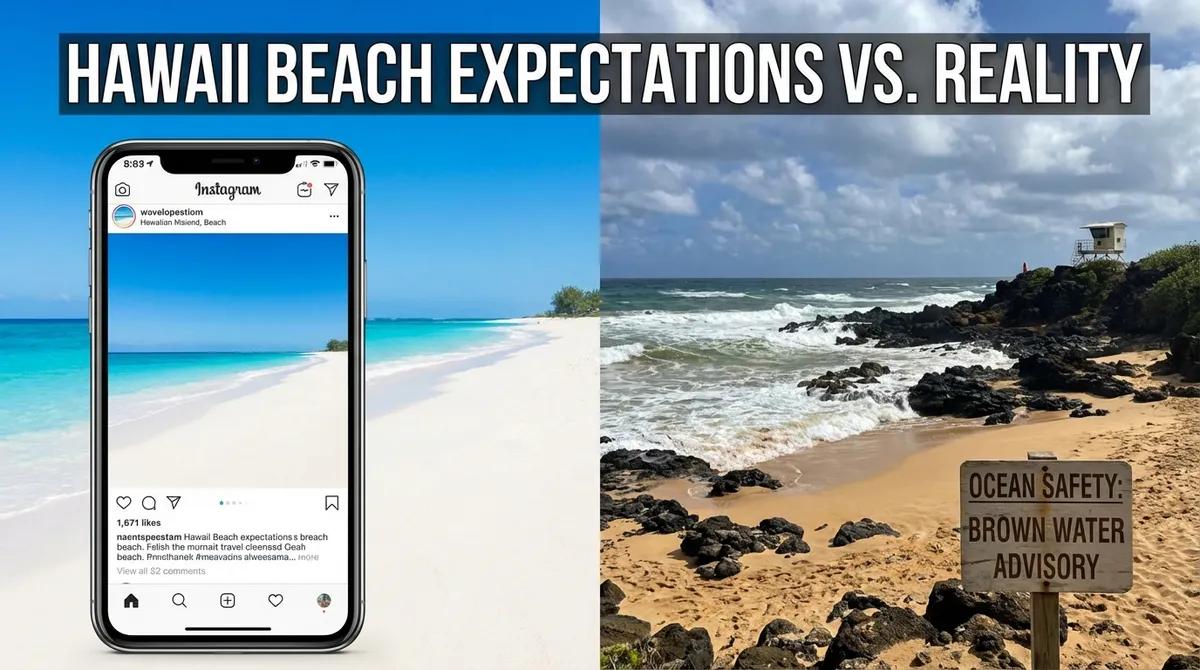
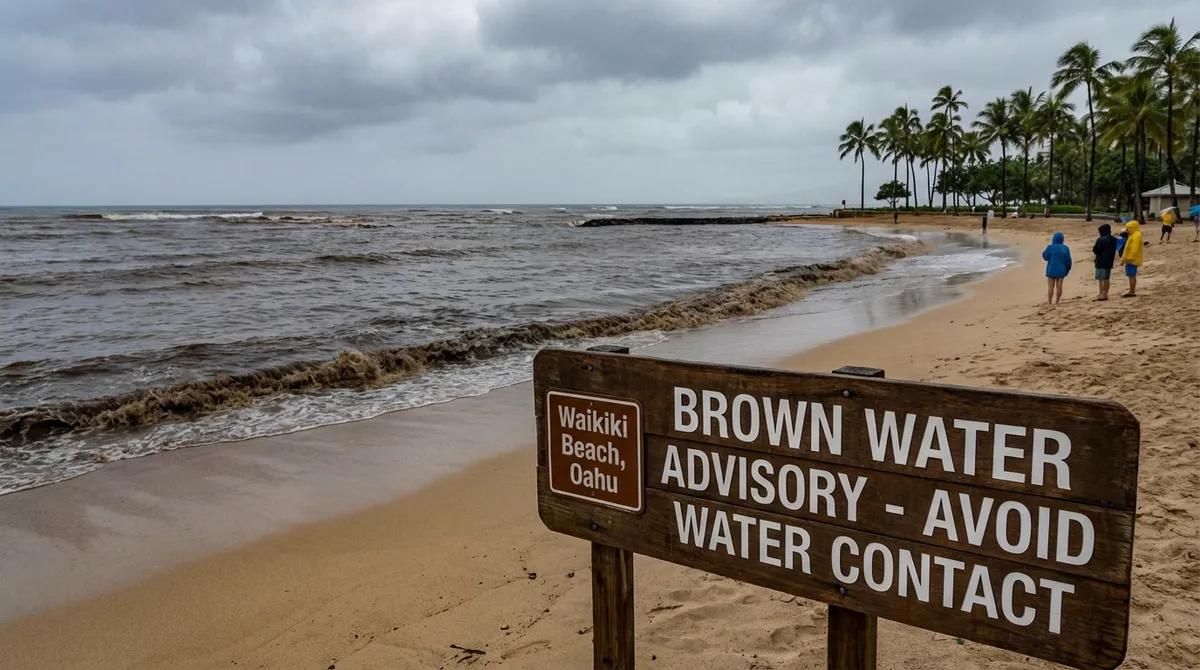
Beach warning signs — Lifeguard stations post brown water advisory signs when conditions are unsafe; always read posted signs before entering the water
Ask lifeguards directly — Hawaii's ocean lifeguards are incredibly knowledgeable and will tell you which areas are safe and which to avoid
Visual inspection — If the water looks brown, murky, or has visible debris floating in it, do not swim regardless of posted signs
Local news — TV stations and news websites report active advisories during and after major storms
Which Beaches Are Most Affected?
Not all beaches are equally impacted by brown water advisories. Understanding which areas are higher risk can help you plan around storm days.
Higher Risk Beaches
Ala Moana Beach Park — Located near the Ala Wai Canal, which carries urban runoff from all of Waikiki and surrounding areas
Waikiki Beach — The Ala Wai Canal empties near the east end of Waikiki; the western end tends to clear faster
Beaches near stream mouths — Any beach where a stream or river enters the ocean will see higher contamination after rain
North Shore beaches in winter — Heavy winter rains combined with agricultural runoff from the central valley
Lower Risk Beaches
Hanauma Bay — The enclosed bay with no stream outlets tends to stay cleaner after light rain (though it may close after major storms)
Lanikai Beach — No major stream outlets nearby; generally clearer after rain than Waikiki
Open-coast beaches far from streams — Beaches on exposed coastlines with no nearby runoff sources clear faster
What to Do During a Brown Water Advisory
A brown water advisory doesn't have to ruin your vacation. Here's how to adapt your plans:
Head to the other side of the island — Rain often falls on one coast while the other stays dry; the leeward (west) side is usually drier
Visit pool-equipped hotels or resorts — Many hotels welcome day visitors at their pool areas for a fee
Explore indoor attractions — Museums, aquariums, shopping centers, and cultural experiences don't depend on ocean conditions
Go hiking — If trails are open and rain has stopped, hiking offers a beautiful alternative to beach days
Try a waterfall hike — Ironically, waterfalls are at their most spectacular right after heavy rain (check for trail closures first)
Stay Informed and Stay Safe
Brown water advisories are a normal part of Hawaii's rainy season, and they shouldn't cause you to cancel or dramatically alter your trip. The key is to respect the advisory, wait the recommended 48–72 hours, and always check conditions before entering the water. Hawaii's ocean is one of its greatest treasures — enjoying it safely means knowing when to stay on shore and let nature do its cleaning.
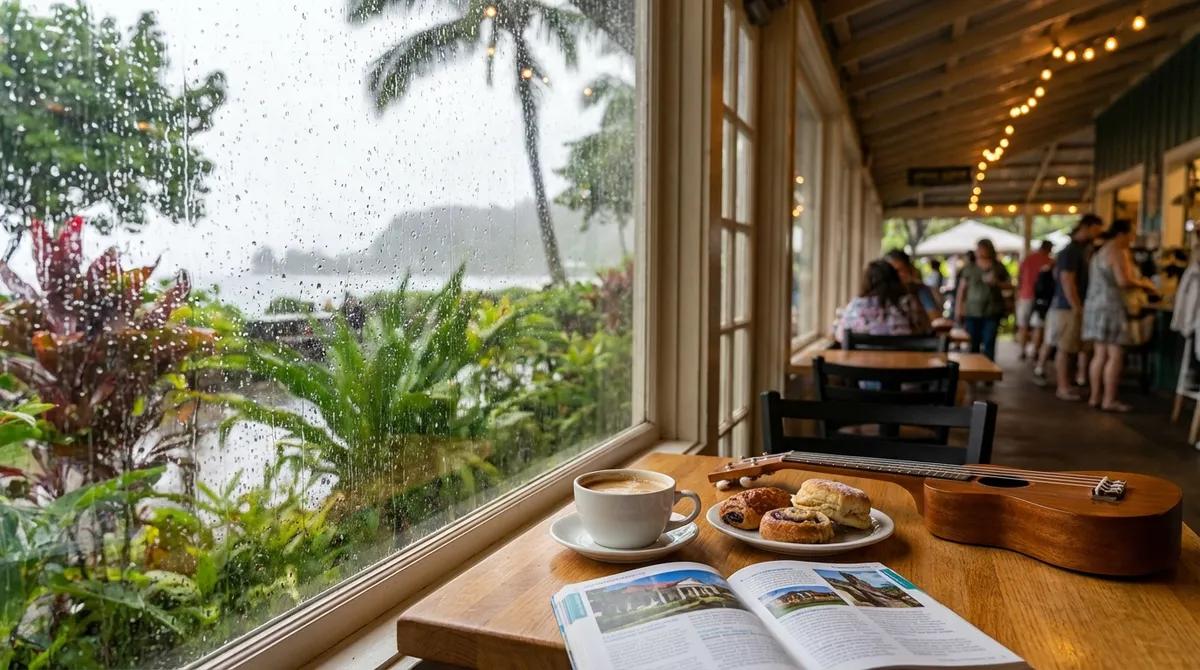
If the ocean's out, switch the beach date to a rainy-day plan, most work in any weather.