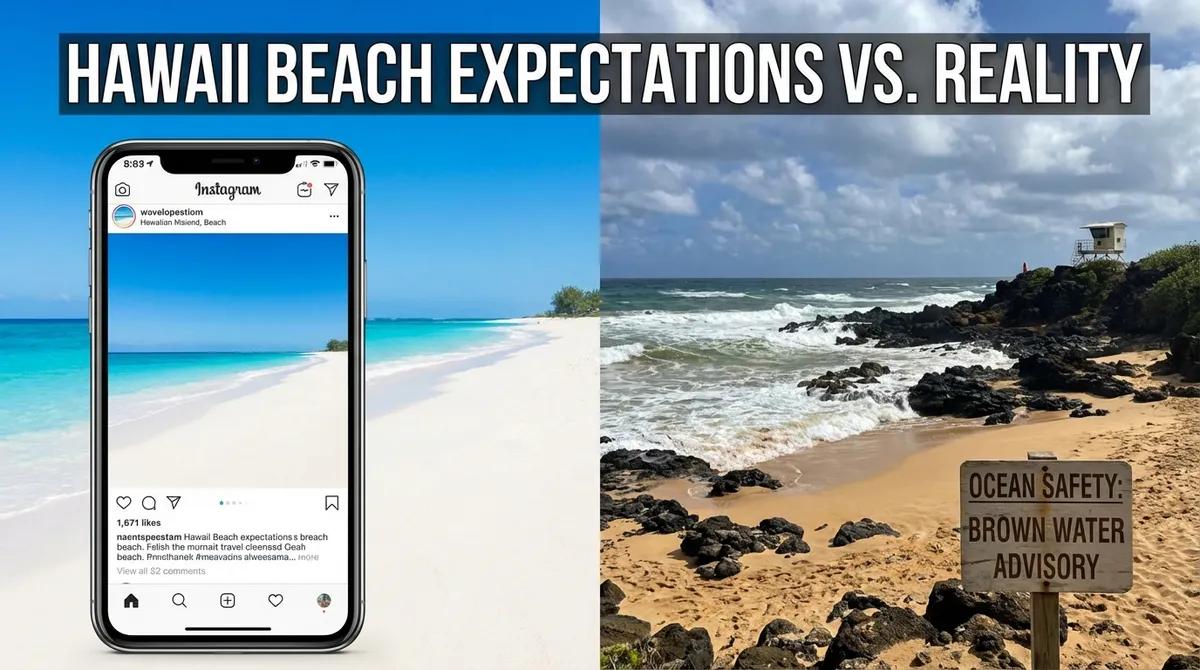
If you've ever checked the weather forecast for Hawaii and seen rain predicted for your entire trip, take a deep breath. Weather forecasts for the Hawaiian Islands are notoriously unreliable — not because meteorologists are wrong, but because Hawaii's unique geography creates microclimates that can produce completely different weather conditions just miles apart. Understanding this phenomenon is one of the most valuable things you can learn before visiting Hawaii.
What Are Microclimates?
A microclimate is a localized area where the weather conditions differ from the surrounding region. In Hawaii, these microclimates are created by the dramatic volcanic mountains at the center of each island. As moist trade winds blow in from the northeast, they're forced upward by these mountains. The rising air cools, condenses, and drops rain on the windward (east-facing) side. By the time the air passes over the mountains and descends on the leeward (west-facing) side, it's dry and warm.
This means that one side of an island can be experiencing heavy rain while the other side enjoys brilliant sunshine — sometimes just a 20 to 30 minute drive apart.
Big Island: The Most Dramatic Example
The Big Island of Hawaii has the most extreme microclimates of any Hawaiian island, and it's not even close. The island contains 10 of the world's 14 climate zones, ranging from tropical rainforest to subarctic tundra at the summit of Mauna Kea.
The contrast between the two main visitor areas is striking:
Hilo (east side) — receives over 120 inches of rain per year, making it one of the wettest cities in the United States. Lush, green, and tropical with incredible waterfalls and botanical gardens
Kona (west side) — receives only about 15 inches of rain per year. Sunny, dry, and warm, with beautiful resort beaches and calm ocean conditions
When locals on the Big Island say they follow the "Kona microclimate" rule, they mean that even when the forecast shows rain for Hawaii Island, the Kona coast is usually dry and sunny. This is crucial knowledge for visitors who might otherwise cancel outdoor plans based on a generic island-wide forecast.
Oahu's Microclimates
Oahu demonstrates microclimates in a more compact way. The Ko'olau mountain range divides the island into distinctly different weather zones:
Windward side (Kailua, Kaneohe) — receives significantly more rainfall, creating lush, green landscapes. Rain showers here are frequent but typically brief
Waikiki and Honolulu — relatively dry and sunny, sheltered by the mountains from the heaviest rain
North Shore — variable weather with more winter rainfall and bigger surf, but sunny and pleasant in summer
Leeward coast (Ko Olina, Waianae) — the driest part of Oahu, often clear even when the rest of the island sees rain
Maui and Kauai Patterns
On Maui, the massive Haleakala volcano creates a sharp divide between the wet east side (Hana) and the dry west coast (Lahaina, Kaanapali). Upcountry Maui around Kula and Makawao sits at higher elevation and enjoys cooler temperatures with occasional fog and rain.
On Kauai, Mount Waialeale at the island's center is one of the wettest spots on Earth, receiving about 450 inches of rain per year. Yet the south shore around Poipu is famously sunny and dry. The Na Pali Coast on the northwest gets dramatic weather that contributes to its stunning beauty.
How to Use Microclimates to Your Advantage
Understanding microclimates transforms you from a frustrated tourist watching rain from your hotel window into a savvy traveler who knows exactly how to find sunshine. Here's how to use this knowledge:
Don't cancel plans for rain — check if the other side of the island is sunny before giving up on outdoor activities
Use real-time radar — apps like Weather Underground or the National Weather Service Hawaii page show rain in real-time, so you can see exactly where precipitation is falling
Plan beach days on the leeward side — if the forecast looks iffy, head to the drier west or south coasts
Embrace both sides — the rainy windward coasts offer stunning waterfalls, lush valleys, and botanical gardens that need all that moisture to be so beautiful
Ask locals — hotel staff, tour guides, and locals always know which side of the island has the best weather that day
Why Forecasts Get It Wrong
Standard weather forecasts typically give a single prediction for an entire island or county. But when that forecast says "scattered showers," it might mean rain in the mountains and windward valleys while the leeward beaches remain completely dry. A 60% chance of rain on Oahu might translate to zero rain in Waikiki while Manoa Valley (just 15 minutes away) gets a downpour.
The lesson? Never cancel or reschedule a Hawaii trip based on a weather forecast alone. The islands are far more nuanced than any forecast can capture, and the locals will tell you — the best Hawaiian days often start with rain and end with a double rainbow over the ocean.
Microclimates are why every outdoor date needs a plan B — our first date ideas in Honolulu include a few.