Should You Cancel Your Hawaii Trip Because of Rain?
Every year, thousands of travelers consider canceling or rescheduling their Hawaii vacations because the weather forecast shows rain. If you're among them, take a deep breath — rain in Hawaii is almost never a reason to cancel your trip.
Hawaii's rainy season runs roughly from November through March, overlapping with some of the most popular travel months (holiday season and winter escapes). But "rainy season" in Hawaii is nothing like rainy seasons in places like Southeast Asia or the Pacific Northwest. Understanding how rain actually works in Hawaii will help you plan better and worry less.
What Rainy Season Actually Looks Like in Hawaii
The biggest misconception is that rainy season means days of nonstop downpours. In reality, most rain in Hawaii comes as short, passing showers that last anywhere from 10 minutes to an hour before the sun comes back out. Extended multi-day storms do happen but are relatively uncommon.
Typical Rainy Season Patterns
Short showers, often at night — Many days it rains overnight or in the early morning, with sunny skies by mid-morning
Windward vs. leeward — The windward (east/northeast) side of each island gets significantly more rain than the leeward (west/southwest) side; you can often drive 20 minutes to escape the rain
Morning clouds, afternoon sun — A common pattern is overcast mornings that clear by noon, giving you sunny afternoons
Rainbows everywhere — The combination of brief showers and sunshine creates stunning rainbows daily; Hawaii is the "Rainbow State" for a reason
Rainy Season by the Numbers
To put things in perspective, here's what rainy season actually means in terms of rainfall for some popular areas:
Waikiki (South Shore Oahu)
Wettest month — January (about 3.5 inches average)
Driest month — June (about 0.5 inches average)
Rainy days per month in winter — Approximately 10–12 days with some measurable rain, but most are brief showers
Daily sunshine — Even in the wettest months, Waikiki averages 6-7 hours of sunshine per day
Ka'anapali (West Maui)
One of the driest resort areas in Hawaii — The leeward position means less rainfall year-round
Winter rain — Still less than most mainland U.S. cities in their driest months
Kona Coast (Big Island)
Famously dry — The Kona side receives a fraction of the rainfall that hits the Hilo side (east)
Even during rainy season — Kona averages less than 2 inches of rain per month in winter
The "Other Side" Strategy
This is the most valuable tip for dealing with rain in Hawaii: if it's raining on one side of the island, drive to the other side. Every Hawaiian island has a wet windward side and a dry leeward side, separated by mountain ranges that block weather patterns.
Oahu — Raining in Kailua (windward)? Head to Ko Olina or Waikiki (leeward). The drive is 30-45 minutes.
Maui — Raining in Kahului? Drive to Ka'anapali or Kihei (leeward). Usually 30 minutes away.
Big Island — Raining in Hilo? Head to the Kona coast. It's a 2-hour drive but almost guaranteed to be dry.
Kauai — Raining on the north shore? Poipu on the south shore is typically sunny.
What Rain Brings That Sunshine Can't
Experienced Hawaii visitors know that rain actually enhances certain experiences:
Waterfalls at full power — Hawaii's waterfalls are most spectacular during and after rain; many thin-stream falls become thundering cascades
Lush green landscapes — Rain keeps the valleys, mountains, and forests vibrant and alive; this is the Hawaii you see in postcards
Fewer crowds — When a rain shower hits, beaches and trails thin out; if you don't mind getting a little wet, you'll often have popular spots to yourself
Double rainbows — Hawaii's frequent rain-sun combinations create some of the most spectacular rainbows you'll ever see
Cooler, comfortable temperatures — Rain showers cool down the air and make outdoor activities more comfortable
Whale watching season overlap — Rainy season (December–March) is also prime humpback whale season; the tradeoff is completely worth it
When Rain IS a Concern
While most rain is harmless and manageable, there are situations where weather deserves serious attention:
Kona storms and tropical weather events — Rare but powerful storms can bring heavy flooding, road closures, and dangerous conditions; monitor weather advisories during your trip
Flash flood warnings — Never hike in valleys or near streams when flash flood warnings are active; Hawaii's narrow valleys can flood rapidly
Road to Hana in heavy rain — The road becomes more dangerous with landslide potential; reschedule if heavy rain is forecast
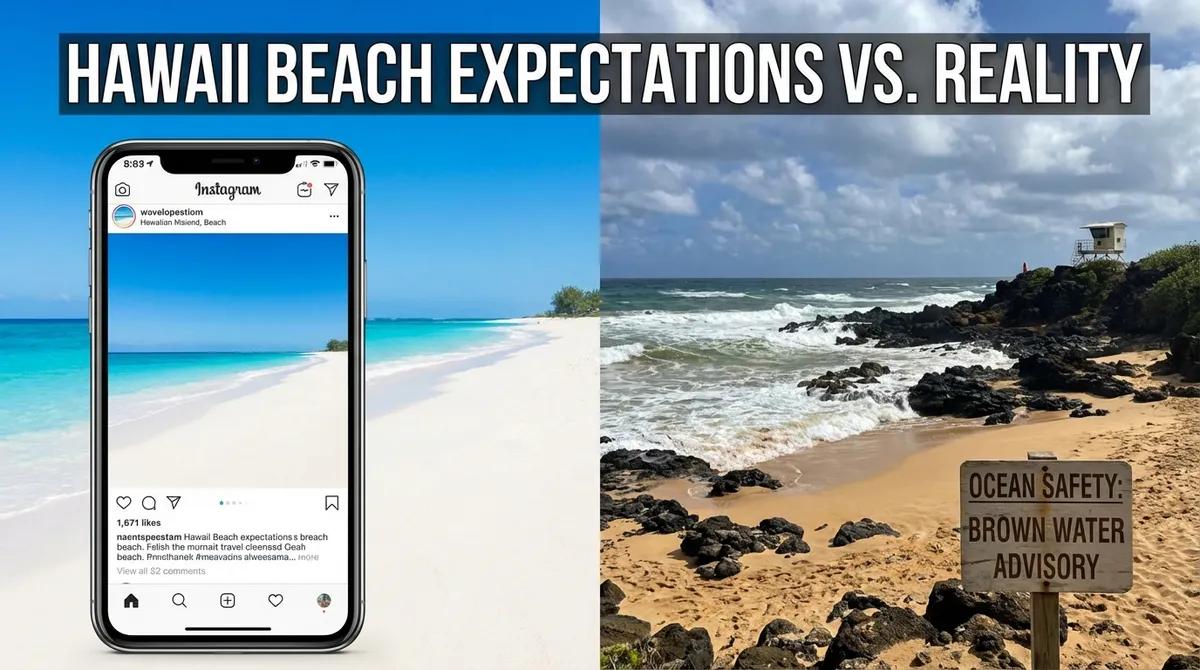
Brown water advisories — Heavy rain makes ocean swimming unsafe near stream mouths for 48-72 hours
Trail closures — Popular hikes may close temporarily after heavy rain due to mudslides or unsafe conditions; check before heading out
What to Pack for Rainy Season
A compact rain jacket — Lightweight and packable; you'll rarely need a full raincoat
A small umbrella — For town walking and outdoor dining
Water-friendly shoes or sandals — Chacos, Tevas, or similar sandals that handle wet conditions
Dry bags — Small waterproof bags for your phone and electronics during outdoor activities
Quick-dry clothing — Synthetic fabrics that dry fast are far better than cotton in tropical rain
Rain Is Part of the Magic
Hawaii isn't beautiful despite the rain — it's beautiful because of it. The same rainfall that worries travelers is exactly what creates the lush valleys, cascading waterfalls, vibrant rainbows, and emerald mountains that make Hawaii unlike anywhere else on Earth. Don't cancel your trip for rain. Pack a light jacket, embrace the showers, and discover why locals say there's no such thing as bad weather in Hawaii — just different kinds of beautiful.
Rainy-day dates exist too. See things to do in Hawaii when it rains.