Living in Oahu: What It's Actually Like
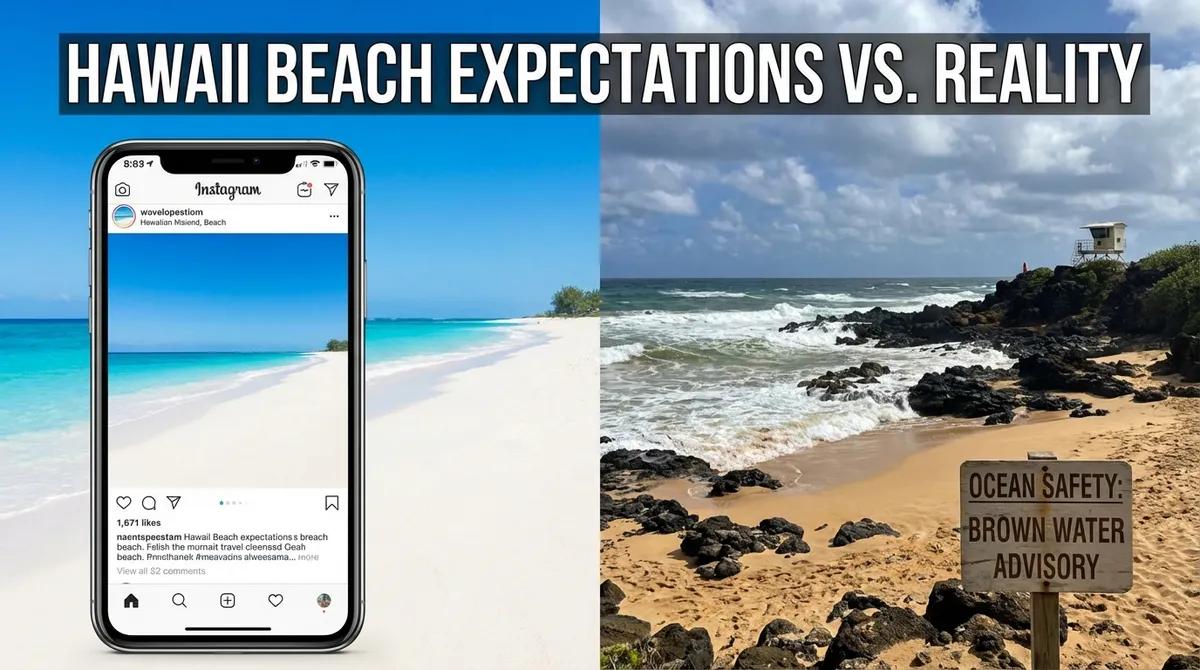
Ask the internet about living in Oahu and you get two cartoons: paradise, or paradise ruined by prices. The reality is a texture that neither captures. This is what daily life on the island is actually like, from someone's honest notes rather than a postcard, written for people deciding whether this life fits them.
If you're at the planning stage, start with our complete guide to moving to Oahu, which covers the logistics. This post is about what happens after: the rhythm, the costs as you feel them, the social reality, and the parts that never get old.
The island runs early
The first thing that rewires you: Oahu is a morning place. Surfers are in the water before sunrise, the good parking at the beach parks is gone by 8, hiking trails have their regulars at dawn, and by 9 p.m. large parts of the island are winding down. The trade winds and the light make early hours the best hours, and the culture follows the sun. Night owls adjust or convert. Most convert, and end up wondering how they ever slept through mainland mornings.
The costs, as you actually feel them
We're publishing a full breakdown with real numbers separately, so here's just the texture. The rent hits first and hardest, and the space you get for it recalibrates what "enough room" means. The grocery run is the recurring reminder: staples cost noticeably more than the mainland, and you learn the rhythm of Costco runs, farmers markets, and which store has the reasonable poke. Gas, utilities, and shipping fees on everything you order round out the picture.
And then the counterweight: your entertainment budget collapses. The beach is free. The hikes are free. The sunsets are free. Locals joke that Oahu charges you rent and refunds you in ocean, and after a year here the joke reads as accounting.
Traffic is a lifestyle decision
The H-1 at rush hour is the island's great equalizer, and it's why every Oahu resident thinks in traffic sheds. Where you live determines which jobs are viable, which friends you see on weeknights, and honestly who you'll end up dating. Living windward and working town means building your life around the Pali. The people who are happiest here either live near their work or made peace with podcasts. There's no third option.
The social texture: friendly is not friends
Oahu is genuinely warm, and that warmth confuses newcomers. Strangers talk story in line, drivers let you merge with a shaka, aloha is real. But friendly is not the same as friends, and the island's social circles run deep: many people here have friendships going back to small kid time, and the classic icebreaker "what school you went?" means high school precisely because those ties last.
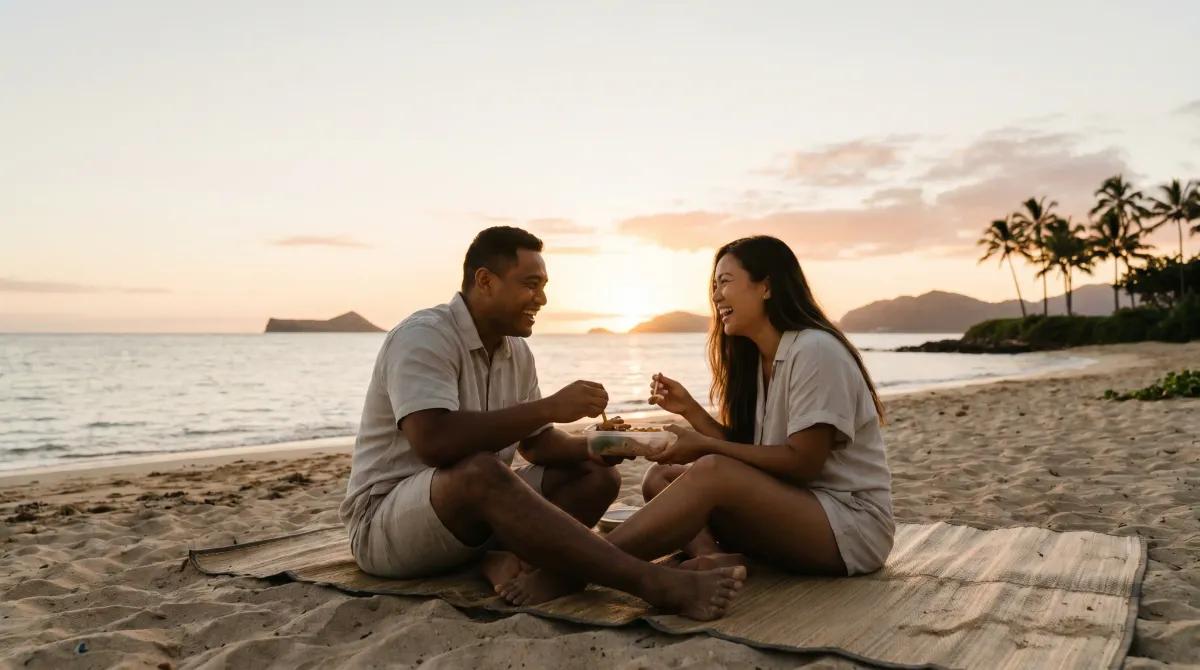
Breaking in is absolutely doable, but it works on island time. The pattern that works is repetition: the same volleyball net, the same run club, the same farmers market, week after week. On Oahu you become familiar before you become friends, and familiar takes showing up. Transplants who treat their first year like a series of one-off events stay lonely; the ones who plant recurring habits find the island opens up around month four.
One more dynamic worth knowing: everyone is roughly two degrees apart. Your coworker knows your neighbor who knows your date's cousin. It makes the island feel like a small town wearing a city costume, and it rewards being a decent person everywhere you go, because reputations travel.
Island fever is real, and manageable
Somewhere between month six and year two, many transplants hit a stretch where the island feels small: the same roads, the same weekend options, 2,400 miles of ocean in every direction. Locals call it island fever, and pretending it doesn't exist is how people end up leaving abruptly. The residents who last treat it as maintenance, not crisis: a neighbor-island weekend, a new hobby that shows a different side of Oahu, a mainland trip timed for the holidays. The island doesn't get bigger, but your life on it does.
What locals wish transplants knew
Learn to pronounce the place names, and don't fake pidgin, ever. Understand that Hawaii has a host culture and a history that's very much alive, and that curiosity earns you more grace than confidence. Respect the ocean like the locals do, because it's the ones who don't who make the news. Give back somewhere: beach cleanups, community workdays, anything. The single biggest divider between transplants who are embraced and transplants who are tolerated is whether they treat Oahu as a community they joined or scenery they purchased.
Single on Oahu: better than you'd think
Living here single comes with a myth to bust: that the island is all couples and tourists. In reality Oahu holds the state's deepest dating pool, its own rhythms, and a social scene that rewards exactly the recurring-participation strategy described above. The full picture, regions, culture, unwritten rules, is in our guide to dating in Oahu, and the in-person map is in where to meet singles in Honolulu beyond the apps.
The shortcut exists too: HawaiiDating.net is a free dating site built for people who actually live in Hawaii, with profiles sorted by island and neighborhood, so you meet Hawaii singles on your side of the H-1 instead of visitors who fly home Sunday. It's free, so if you're building a life here, create your profile and make the social reset shorter.
The parts that never get old
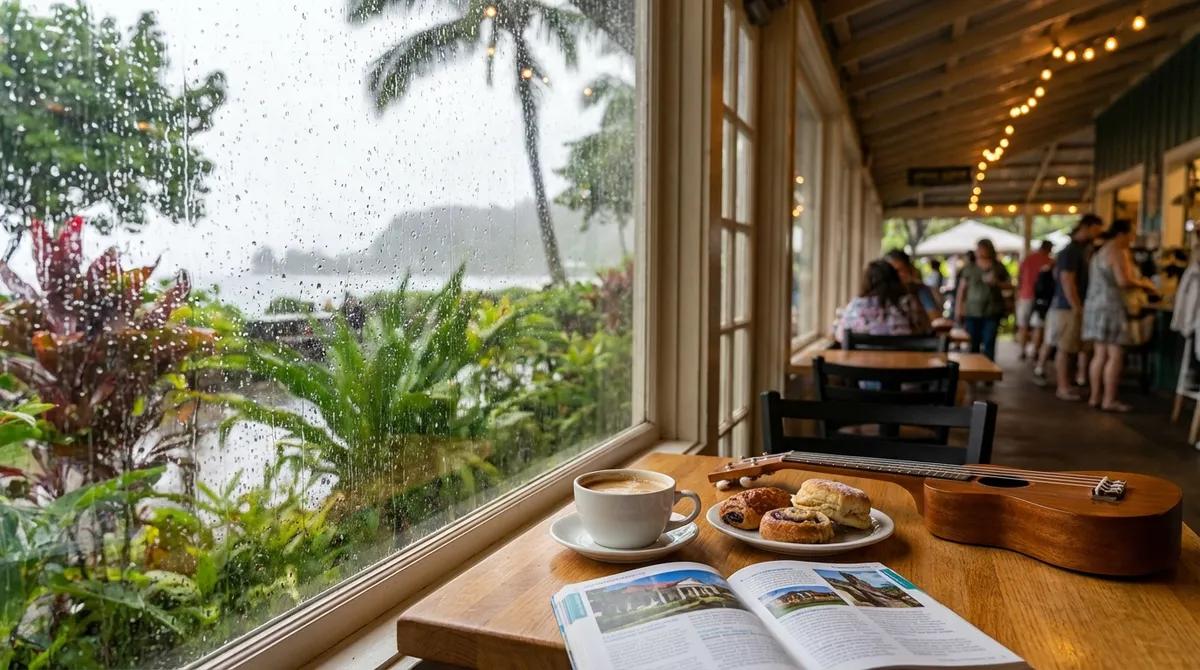
The trade winds on a hot afternoon. Whales breaching off the coast in winter, visible from shore, for free. Rainbows so frequent they're on the license plate and still make you look. The first time someone you barely know invites you to a family barbecue and means it. Shave ice after the beach. The specific quality of December sun while your mainland friends scrape windshields. People who leave Oahu miss the texture more than the postcard, and that tells you what living here is really made of.
Frequently asked questions
Is living in Oahu worth the cost? For people with solid income, community habits, and realistic expectations, usually yes. For people expecting a permanent vacation at mainland prices, usually no. The cost is the entry fee; whether it's worth it depends on how much of the island's actual life you use.
Where do young professionals live in Oahu? Mostly town: Kakaako, Makiki, Kaimuki, and Salt Lake for value, with Kailua as the beach-town alternative for those willing to commute. The pattern is simple: live near work or near the life you want, because the H-1 taxes everything in between.
What is island fever? The restless, boxed-in feeling some residents get from island geography, typically appearing between six months and two years in. It's normal, it passes, and neighbor-island trips plus new hobbies are the standard medicine.
Is Oahu a good place to live if you're single? Yes, and better than its reputation. It has the largest concentration of singles in Hawaii, a social culture that rewards showing up consistently, and enough distinct scenes that striking out in one just means trying another.